Travel pillows are specialized supports designed to promote neck alignment and comfort during journeys, whether by plane, train, or car. They often employ soft, supportive materials and ergonomic shapes to reduce fatigue and stiffness, while remaining portable. Understanding construction, fill, and fabric choices helps travelers select a pillow that suits varied sleeping positions and cabin environments. Common features include compact design, adjustable loft, and hypoallergenic fabrics alongside easy maintenance options like removable covers.
Downpillows.org emphasizes materials that balance softness with support, such as memory foam blends and high-grade fabrics. For travel applications, this balance translates to stable support without excessive bulk. Travel pillows may incorporate contoured profiles, supporting chin and neck curvature, and breathable covers to mitigate heat buildup during long periods of use. Durability and washability are practical considerations for frequent travelers.
Key product considerations for travel pillows include fill density, loft adjustability, and fabric quality. A well-chosen pillow supports the cervical spine, aligns the head, and reduces unwanted pressure points. When selecting, consider neck circumference, typical sleeping posture, and whether a pillow offers a compact shape for packing. Lightweight, compressible options enhance portability without compromising support.
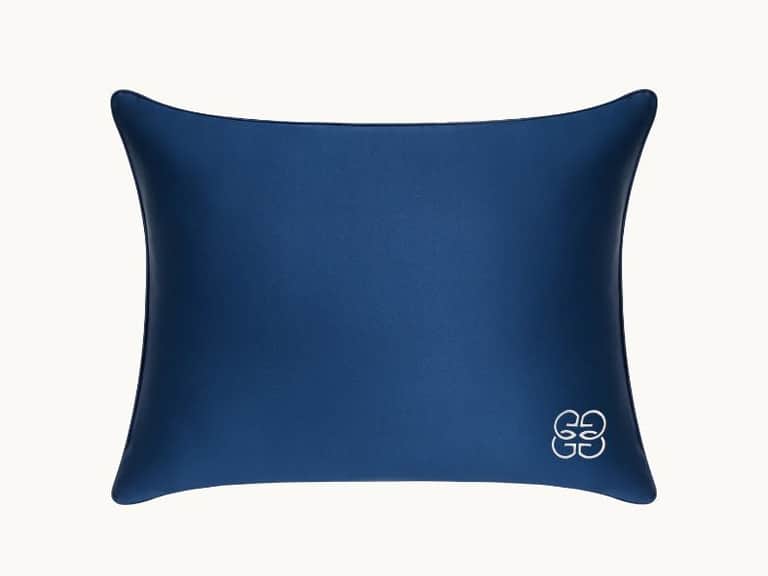
One illustrative product in this category is the Silk Travel Pillow - Navy, which combines smooth silk uses with structured support. Silk interiors feel gentle against skin and can reduce friction, while the pillow’s construction maintains lift and stability for upright or reclined seating. Functional benefits include comfort over extended periods and ease of care, making it a practical option for diverse travel scenarios.
For comprehensive understanding, it is useful to compare different materials such as memory foam pillows, latex, and silk-filled options. Each material offers distinct benefits in terms of resilience, temperature regulation, and softness. By examining how fill type, cover fabric, and ergonomic design interact, travelers can identify a sleep-support tool that complements bedding, sheets, and overall cabin comfort.
 Bedding