Choosing Pillows for Neck and Spine Alignment: A Practical Guide
An evidence-informed exploration of how pillows support proper neck and spine alignment across sleep positions. We survey materials, firmness, and care tips through real-world brands from downpillows.org, weaving time-tested craft with contemporary science to help readers choose a pillow that honors rest, posture, and waking clarity.
The Core Problem: Alignment, Sleep Quality, and Morning After
In the quiet dark, the body is not a rigid structure but a dynamic axis—a line extending from the crown of the head down through the spine. When the head tilts or sinks, strain travels along cervical and thoracic segments, whispering into morning stiffness, headaches, and fatigue. A pillow is not merely a cushion; it is a tool for shaping the head and neck to preserve a natural spinal curvature. The right loft, the right density, and the right fabric composition can tame the micro-movements of the night, allowing the spine to rest in its optimal alignment.
Across architectures of sleep—from back to side to stomach—the pillow must fit the sleeper’s posture, weight distribution, and pillowcase, all while accommodating breathing, temperature regulation, and allergy considerations. This guide draws on brands that have carved a niche in sleep ergonomics, including Naturepedic, The Clean Bedroom, Sleep and Beyond, Downright, and Savvy Rest, offering a mosaic of fills, covers, and design philosophies.
Materials and Their Alignment Impacts
Material choice shapes loft, sink, and contour—three levers that determine whether a pillow sustains or sabotages a healthy neck-spine relation.
- Down and feather blends: The loft can mold to the contour of the head, but consistency of support depends on fill power, cluster size, and the presence of gussets. High-quality down (e.g., 750+ fill power) tends to offer plush comfort with resilient rebound, aiding back and side sleepers who benefit from a supported, slightly elevated head position.
- Down-alternative and memory foam: These fills provide a more uniform contour and can deter over- or under- sinking. They often deliver stable alignment for varied sleep positions, with the benefit of easy care and hypoallergenic properties.
- Wool, kapok, and natural fills: Wool and kapok bring breathability and temperature regulation to the pillow’s profile. They can offer responsive loft with a more breathable, often hypoallergenic experience, albeit sometimes with more individualized adjustability required.
- Fabrics and shell construction: Organic cotton, Tencel, and silk blends influence surface feel and temperature. A breathable shell can help prevent night sweats that disrupt sleep posture by encouraging micro-climate stability around the head and neck.
Brands highlighted below embody these material strategies and provide concrete examples of alignment-friendly design choices.
Guided Pathways: Three Distinct Pillow Philosophies
To help readers map their needs onto products, here are three representative directions drawn from real pillows on downpillows.org. Each path corresponds to sleeping position tendencies and alignment goals rather than a singular “best” option.
All-Positions Balance
A dual-core approach that blends comfortable outer layers with a discreet supportive core—designed to adapt to multiple sleep styles without sacrificing neck alignment.
- Example: Downtown Company Interior Balance Pillow
- Fills: Outer chambers with European white down; inner core with European white down
- Loft: Soft with gentle support; central core maintains shape
Alignment for Side Sleepers
Pillows engineered to cradle the head and neck with a firm loft, preserving lateral cervical alignment and reducing shoulder compression.
- Examples: Sleep and Beyond MyDual Side Pillow; Side Dreamer variants
- Fills: Wool puffs; Shropshire wool; cotton cases; organic options
Natural and Temperature-Regulating
Pillows using wool, kapok, or other plant-based fibers to support loft while maintaining breathability, ideal for sleepers who overheat.
- Examples: Savvy Rest wool pillow; Certified Organic Wool Beds; Kapok-backed options
These archetypal paths illustrate how brand designs translate into ergonomics: the balance between softness and support, and the role of a stable center in a pillow’s architecture.
A Reader-Friendly, Brand-Backed Buyer's Toolkit
Good sleep starts with trustworthy information. The following bullets distill practical strategies readers can apply when evaluating a pillow for neck and spine alignment:
- Assess your sleeping position: back sleepers often prefer a pillow with moderate loft that supports the natural cervical curve without pushing the head too far forward. Side sleepers typically require higher loft and a firmer support to prevent the head from tilting toward the mattress.
- Understand loft and fill power: loft is the pillow’s height; fill power indicates the volume a given weight of down will occupy. A higher fill power generally yields greater loft with less weight, a useful proxy for how much a pillow can support the neck while keeping the spine aligned.
- Consider edge-to-edge support: gusseted designs and evenly distributed fill help prevent sudden collapse at the pillow’s sides, maintaining stable neck support through turns and tosses.
- Evaluate care and durability: machine-washable shells and easy-care fillings extend the pillow’s usable life and reduce the risk of allergens accumulating in the pillow interior.
Three Key Figures Across Time: Their Perspectives on Sleep and Alignment
Sleep science and pillow design have been shaped by thinkers across centuries. Here are three pivotal voices—one from antiquity, one from the mid-20th century, and a contemporary sleep researcher—each offering a unique lens on how the neck, head, and spine converge in the dark.
“The body is a temple of alignment; when the head finds its place, the spine lists toward rest, not resistance.”
“A good night’s sleep is a map for tomorrow; the pillow is the compass.”
“In the quiet, structure matters more than sensation: a pillow must sustain the line that the body has drawn.”
These voices remind us that the pursuit of alignment is both a historical craft and a modern science. We learn from the past, test in the present, and refine for the future—much like the pillows we explore, which fuse tradition with contemporary materials and testing methods.
Product Spotlight: The Downtown Company Interior Balance Pillow
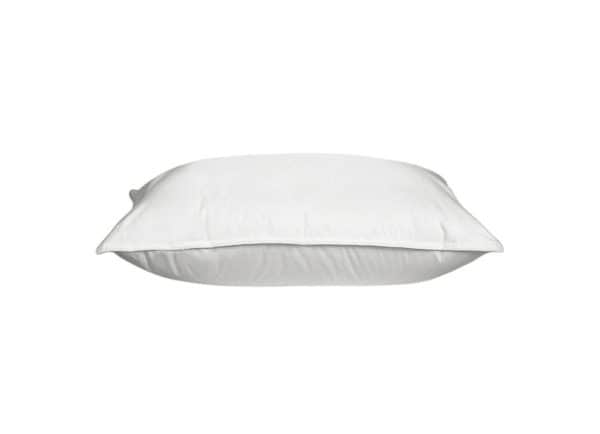
The Downtown Company Interior Balance Pillow stands as a practical embodiment of the dual-core philosophy: a soft outer layer that invites rest, paired with a discreet inner core that provides reliable structure. For readers seeking a versatile option that comfortably folds into back and side sleeping postures, this pillow offers a balanced feel that adapts with movement through the night. Its gentle loft and refined construction make it a fitting anchor for a sleep-improvement plan that values stability as much as softness.
Price: $178.00. Availability varies; consult current catalog for stock and sizing.
Care and Maintenance: Extending Alignment Through Proper Upkeep
Care routines are not mere housekeeping—they are a form of posture discipline for the night. Gentle washing cycles, careful drying, and protection with pillow protectors ensure that a pillow retains its supportive geometry. Down pillows benefit from tennis balls to re-fluff during drying, while wool-based fillings demand spot-clean maintenance to preserve their structure and temperature-regulating properties. The aim is a pillow that remains buoyant, resilient, and faithful to the sleeper’s alignment year after year.
Putting It All Together: A Practical 6-Week Trial Guide
To translate theory into action, here is a concise 6-week plan designed to help readers pinpoint the pillow that best supports their neck and spine alignment.
- Week 1: Baseline sleep journal. Note your current back, neck, and shoulder comfort upon waking, and record your preferred sleeping positions.
- Week 2: Test a mid-loft, all-position pillow (e.g., Dual-core or balanced-fill variants) and document changes in neck tension and morning stiffness.
- Week 3: Introduce an elevated pillow for side-sleep emphasis if shoulder compression is persistent; track changes in trapezius tension and perceived neck support.
- Week 4: Switch to a natural-fill pillow (wool or kapok) to evaluate breathability and temperature effects on alignment.
- Week 5: Re-introduce a down or down-alternative option with a similar loft to compare sinkage and contour fidelity.
- Week 6: Decide on a long-term pillow based on measured support, ease of care, and comfort consistency across sleep positions.
Throughout, prioritize alignment cues: does the spine feel straight, does the head rest at a treatable height, and is breath unobstructed? The goal is not maximal softness but enduring, reproducible support that respects the body’s natural alignment through the night.
Conclusion: A Brand-First Yet Evidence-Informed Approach
With neck and spine health as a core objective, pillow selection becomes a personalized exercise in balance. The DownTown Company’s Interior Balance Pillow and its kin exemplify the kind of thoughtful design that blends comfort with structural integrity. By comparing materials, lofts, and care requirements across the roster of brands—Naturepedic, The Clean Bedroom, Sleep and Beyond, Downright, and Savvy Rest—readers can craft a sleep setup that is not only technically sound but emotionally reassuring: a nightly ritual that makes the next day feel salvageable, even hopeful.
As the discipline of sleep science evolves, the aim remains constant: create a sleep surface that nudges the body toward alignment, supports the neck with quiet reliability, and allows the mind to drift into rest with a sense of effortless ease. The pillow, humble yet precise, becomes a compass for repose, a small instrument with outsized influence on the quality of waking life.
Further Reading and Resources
For readers seeking deeper dives into sleep stages, ergonomics, and pillow technology, we recommend exploring:
- Sleep stage microbiology and its relation to sleep posture
- Ergonomic pillow design and five-chamber constructions
- Material science of natural fills versus synthetic cores
Additionally, consult brand-specific care guides and product pages to understand the nuances of each pillow’s design and recommended maintenance procedures. The goal is to approach pillow selection as a mixture of empirical guidance and personal preference—a thoughtful balance of science and intimacy in the quiet hours before dawn.